
Mindful Connections: The Art of High-Performance Window Installation
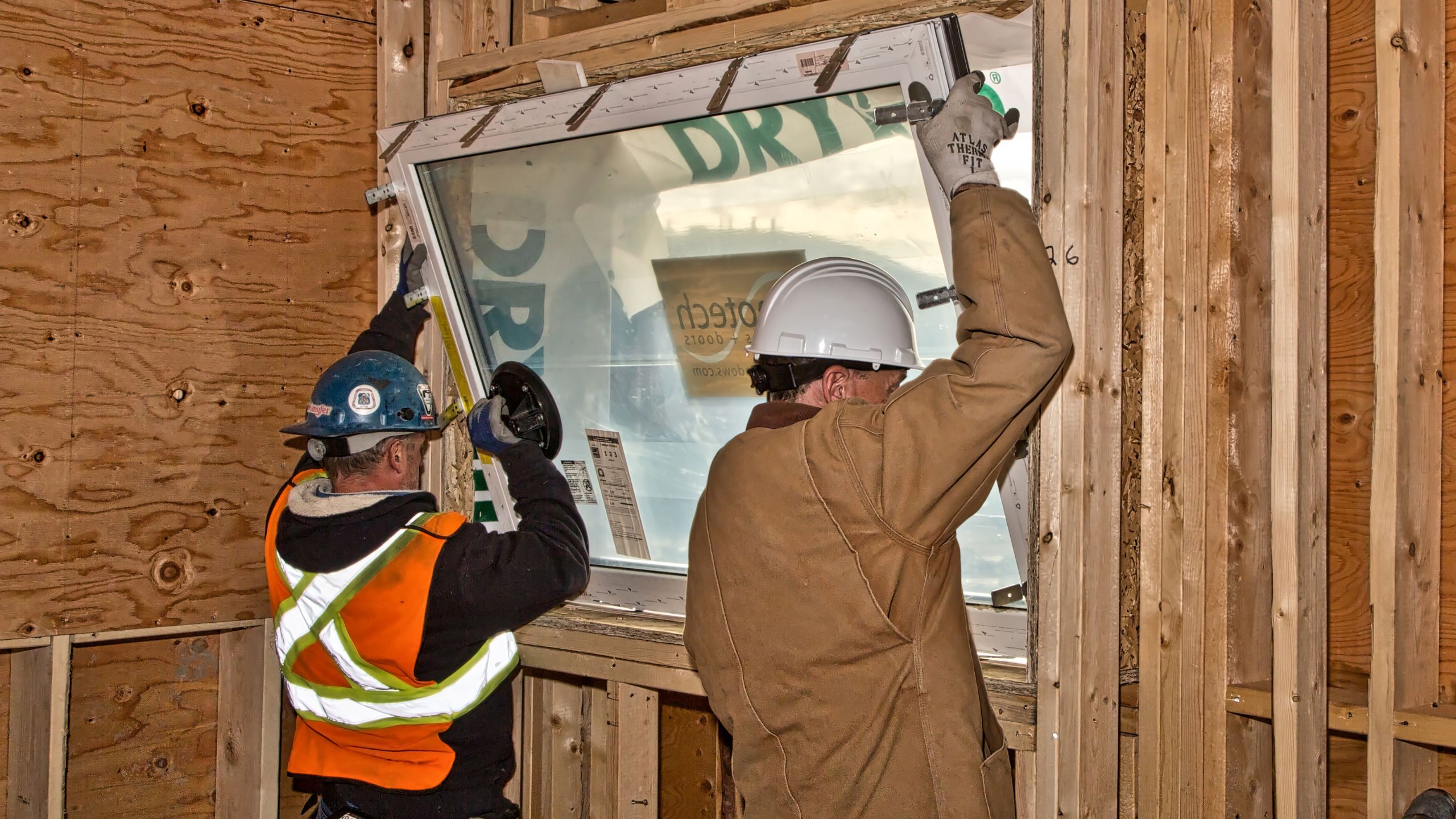
Installing a high-performance window is not as simple as placing a good product into a rough opening. The window itself is only one part of the assembly. Where it sits in the wall, how it connects to the building envelope, how water is managed and how the unit is supported can all influence whether it performs as intended.
The Drawing Is Only the Starting Point
In a recent BS + Beer Canada presentation, Michael Cairns of Innotech Windows + Doors explored the building science, judgment and field experience behind successful window and door installation. His central message was simple: the drawing may define the goal, but real-world conditions often require installers to adapt the detail while protecting the principles behind it.
“The drawing is the goal, not always the method.”
– mike cairns, Business Development Manager at Innotech windows & doors
Placement Matters
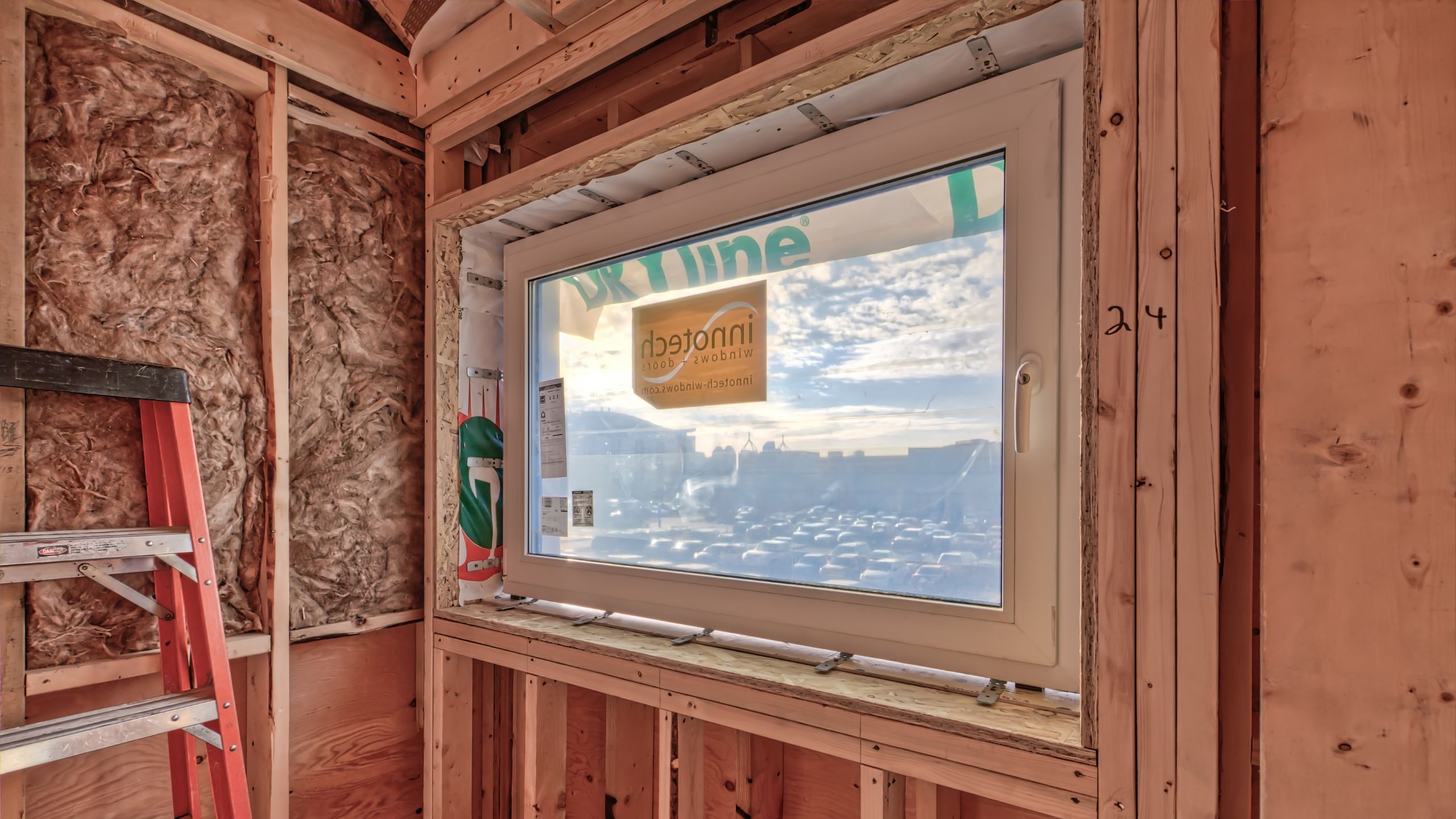
Aligning the insulated portion of the window frame with the wall’s insulation helps reduce thermal bridging and maintain more consistent temperatures around the opening. Move the window too far inboard or outboard, and the connection between the window and wall can become a weak point.
Sequencing Matters Too
Sill pans, water-resistive barriers, air barriers, insulation and vapour-control layers all need to connect properly to the frame. Mike uses a simple rule: work from the bottom up and make sure each layer sheds water over the one below it. A good detail can still fail if those connections are reversed or incomplete.
Support Without Creating New Problems
Large triple-glazed windows and doors are heavy, and they need to be supported and anchored without creating leak paths or unnecessary thermal bridges. The sill carries the weight, anchors resist wind loads, and the surrounding structure must still be allowed to move.
A Practical Checklist
Mike’s checklist comes back to five questions:
1. Are the four D’s addressed?
2. Is the window positioned correctly?
3. Are all five control layers continuous?
4. Is the unit properly supported and attached?
5. And will the finished detail remain durable, serviceable and clean?